Understanding the true Ijen Crater hike difficulty and fitness level is crucial for anyone planning to witness East Java’s famed electric-blue fire. This isn’t a stroll; it’s a genuine mountain trek, yet one that most reasonably fit travelers can accomplish with proper preparation and the right mindset.
As the East Java Routes & Logistics Researcher at Ijen Blue Fire Tours, I’ve mapped every way into Ijen. My goal is to provide current ground truth, not guesswork, ensuring your itinerary is built on a clear understanding of what awaits you. The journey to Kawah Ijen’s summit and into its crater to see the blue flames is an memorable adventure, but it demands respect for its physical challenges.
What Makes the Ijen Crater Hike Challenging? (It’s More Than Just the Uphill)
When travelers ask, “how hard is Ijen Blue Fire hike?”, the answer involves more than just numbers. It’s a combination of physical exertion, environmental factors, and the unique conditions of a midnight ascent.
The Midnight Start and Cold
Your Ijen adventure typically begins in the deep hours of the night, often between 1:00 AM and 2:00 AM. This early start is essential to reach the crater rim before dawn and descend into the crater for the best view of the blue flames. The initial cold can be quite sharp. Temperatures at the base of the trail are cool, but as you ascend towards the nearly 2,800-meter summit, they can drop significantly, sometimes approaching freezing, especially between July and September. Layered clothing is not just recommended; it’s vital. The darkness, punctuated only by headlamps, adds a unique psychological element to the trek, demanding focus and awareness of your footing.
The Trail: Distance, Elevation, and Grade
The primary ascent to the Ijen crater rim is roughly 3 kilometers (about 1.9 miles) one way. This may not sound like a vast distance, but it comes with a substantial elevation gain, typically between 500 to 800 meters (about 1,640 to 2,625 feet) from the Paltuding trailhead to the crater rim.
The trail itself is a steady uphill grade. The initial section is paved and relatively gentle, allowing for a warm-up. However, it quickly transitions to a wider, packed earth and gravel path. While there are no technical scrambling sections requiring ropes or specialized climbing skills, the gradient becomes noticeably steeper in places. The surface can be loose underfoot, especially on the steeper pitches, making sturdy hiking shoes with good grip essential. It’s a continuous climb, demanding consistent effort and a steady pace.
Sulfur Gas and Gas Masks
One of the most distinctive and challenging aspects of the Kawah Ijen blue fire tour difficulty for beginners is the presence of sulfur gas. As you approach the crater rim and especially if you descend into the crater, the air can become thick with sulfur dioxide fumes. These gases, while fascinating as part of the unique volcanic activity, are irritating to the eyes, nose, and throat.
High-quality gas masks are not optional; they are a mandatory piece of equipment for this trek, particularly for the descent into the crater. Your guide will provide these and instruct you on their proper use. Even with a mask, strong gusts of wind can sometimes blow the fumes directly into your path, causing temporary discomfort. It’s crucial to follow your guide’s instructions regarding mask usage and to move away from dense clouds of gas when they appear. This element makes the trek unique and demands a certain level of adaptability and tolerance.
Altitude: Ascending to Nearly 2,800 Meters
The summit of Mount Ijen stands at approximately 2,799 meters (about 9,183 feet) above sea level. While this isn’t extremely high altitude, it’s significant enough to affect some individuals, especially those not accustomed to it. Symptoms of mild altitude sickness can include headaches, nausea, dizziness, and shortness of breath.
The continuous uphill climb combined with the altitude means your cardiovascular system will be working harder. Taking a slow, steady pace, staying hydrated, and listening to your body are the best strategies to mitigate any potential effects. Our guides are experienced in observing trekkers and can offer advice on pacing and rest.
The Optional Crater Descent: A Steep Path to the Blue Fire
While reaching the crater rim is an achievement in itself, many travelers opt for the additional, more challenging descent into the crater to get closer to the blue flames. This optional path is significantly steeper and rougher than the main trail to the rim.
It involves navigating a narrow, rocky, and uneven path, often in low light. There are no handrails, and you’ll need to use your hands for balance in places. This section is slow and requires careful foot placement. The air here is also much denser with sulfur fumes, making effective use of your gas mask paramount. The descent and subsequent ascent back to the rim add another layer of physical demand and technicality to the overall Ijen trek. If you have any mobility concerns or are unsure, your guide can advise on whether this additional descent is suitable for you.
Is the Ijen Blue Fire Hike Hard for Beginners?
The question “is the Ijen hike hard for beginners?” is common. Our honest answer is: it’s certainly doable, but it is not a casual stroll. It falls into the category of a moderately challenging hike. For beginners, the key is realistic expectation and preparation.
Compared to a leisurely walk, it’s significantly more strenuous. However, it’s far less technically demanding than advanced mountaineering or multi-day treks requiring specialized gear and wilderness experience. The kawah ijen blue fire tour difficulty for beginners largely depends on individual fitness levels and prior hiking experience.
Most people with a reasonable level of fitness – meaning you regularly engage in some form of physical activity like walking, cycling, or gym workouts – can complete the Ijen trek at a slow, deliberate pace. Patience is your best companion on this trail. Pushing yourself too hard too fast is when difficulties arise. Our private guided trips emphasize pacing to ensure everyone in your group can complete the journey comfortably and safely.
Essential Fitness Level for First-Timers: Are You Ready for Mount Ijen?
For first-timers considering the mount ijen hike difficulty fitness level, it’s helpful to assess your current physical condition. You don’t need to be an athlete, but being reasonably active makes a significant difference.
Who Can Do It?
- Individuals who can comfortably walk for 1-2 hours at a moderate pace without excessive fatigue.
- Those who can climb several flights of stairs without needing to stop frequently.
- People without pre-existing conditions that would be exacerbated by physical exertion, cold, or altitude.
- Individuals willing to take breaks and maintain a steady, slow pace.
Who Should Be Cautious (or Reconsider)?
- Heart or Lung Conditions: If you have a history of heart disease, respiratory conditions, or high blood pressure, the altitude and physical exertion could pose risks.
- Asthma or Severe Allergies: The sulfur gas can trigger asthma attacks or severe allergic reactions in sensitive individuals, even with a mask.
- Severe Mobility Issues: The uneven terrain and steepness, especially in the crater, can be challenging if you have significant knee, hip, or balance problems.
- Pregnancy: Given the physical demands, altitude, and gas exposure, we generally advise against the hike for pregnant individuals.
Important Guardrail: This information is for general guidance only and should not be considered medical advice. If you have any pre-existing heart or respiratory condition, asthma, or any other health concerns, it is imperative to consult with your doctor before planning this trek. Your health and safety are paramount.
Preparing for Your Ijen Trek: A Two-Week Cardiovascular Prep Plan
To truly minimize the ijen trek fitness level for first timers challenge, we recommend a focused ijen trekking cardiovascular prep two weeks before your trip. This isn’t about becoming a marathon runner, but about building stamina and getting your body accustomed to sustained effort.
- Walking: Begin by increasing your daily walking duration and intensity. Aim for 45-60 minutes of brisk walking, 4-5 times a week. Incorporate hills or stairs into your route if possible.
- Stair Climbing: This is an excellent exercise for simulating the uphill climb. Walk up and down stairs for 20-30 minutes, 3-4 times a week. If you don’t have access to stairs, a stair-stepper machine at a gym works well.
- Light Cardio: Activities like cycling, swimming, or using an elliptical machine for 30-45 minutes can further improve your cardiovascular endurance.
- Hydration: Start consciously increasing your water intake in the weeks leading up to your trip. Proper hydration aids in physical performance and acclimatization.
- Sleep: Ensure you’re getting adequate rest. A well-rested body performs better and recovers faster.
Remember, consistency is key. Even small, regular efforts can make a big difference on the trail.
Understanding the Ijen Crater Hike: Key Facts at a Glance
To provide a clear picture of the ijen 3km 800m elevation gain steep trail, here’s a breakdown of the key facts:
- Approximate Trail Length (One Way)
- 3 kilometers (1.9 miles)
- Approximate Elevation Gain (from Paltuding)
- 500-800 meters (1,640-2,625 feet)
- Maximum Altitude Reached (Crater Rim)
- ~2,386 meters (7,828 feet)
- Typical Hike Duration (Ascent to Rim)
- 1.5 – 2.5 hours (depending on pace)
- Typical Hike Duration (Crater Descent & Ascent)
- Additional 30 – 60 minutes
- Gas Mask Requirement
- Mandatory for crater descent, highly recommended for crater rim
- Trail Condition
- Paved start, transitions to packed earth/gravel, steep in sections, rocky descent into crater
- Overall Difficulty Rating
- Moderate (for reasonably fit individuals)
Mitigating Difficulty: How a Guided Private Trip Enhances Your Experience
While the ijen crater hike how steep is the trail and other challenges are real, a private guided trip significantly removes much of the friction and enhances your safety and enjoyment. We operate through Bali Premium Trip, and when you book with us, you work directly with our reservations team.
- Expert Local Guides: Our guides are licensed, vetted local experts from East Java. They know the mountain intimately – every turn, every steep section, and where the sulfur gases are most prevalent. They are trained in first aid and can assess your pace and provide encouragement when you need it most. Their local knowledge extends to predicting wind shifts that might bring sulfur fumes, allowing for proactive safety measures.
- Optimal Pacing and Support: A private guide ensures the hike is tailored to your group’s pace. There’s no pressure to keep up with a large, diverse group. They’ll encourage breaks, offer assistance on tricky sections, and carry essential supplies. This personalized attention is invaluable, especially for first-timers.
- Essential Equipment Provided: We ensure you have high-quality gas masks and headlamps, properly fitted and checked before the trek. You won’t have to worry about sourcing these crucial items.
- Logistics Handled: From comfortable, private transport to the trailhead, to securing permits and understanding the best timings, all the logistical complexities are handled by our team. This means you can focus solely on the experience itself.
- Safety Protocols: Our guides are trained to identify and manage potential risks, from minor sprains to symptoms of altitude sickness or gas exposure. They carry basic first-aid supplies and communicate effectively in emergencies.
By choosing a private, guided experience with Bali Premium Trip, you’re not just booking a tour; you’re securing a seasoned mountain companion who handles the unknowns, allowing you to fully immerse yourself in the awe-inspiring beauty of Ijen.
Ready to face the challenge with expert support? Plan your trip with us via our reservations team, or send us a WhatsApp message for a quick chat.
Navigating Ijen Logistics: Beyond the Hike
My role as East Java Routes & Logistics Researcher means I map every way into Ijen, tracking ferry timings, permit rules, and even the first-Friday crater cleanup closures. This ensures your itinerary is built on current ground truth.
Entrance Fees and Permit Rules
Access to Ijen Crater National Park requires an entrance fee. These fees vary for domestic and foreign visitors, and also between weekdays and weekends.
- Foreign Visitors: Expect indicative fees ranging from approximately IDR 150,000 to IDR 250,000 per person (roughly US$10-17, depending on exchange rates) for a single entry. Weekend rates are typically higher.
- Domestic Visitors: Indicative fees range from approximately IDR 100,000 to IDR 150,000 per person.
- These prices are for park entry only and do not include guide services, transport, or equipment.
- Note: Prices are indicative and were last verified June 2026. They are subject to change by park authorities.
Permits are generally obtained upon arrival at the Paltuding ranger station. Our guided trips include permit acquisition as part of the service, ensuring a smooth entry process.
First-Friday Closures
It’s important to note that the Ijen Crater area, including the trekking trail, is typically closed to visitors on the first Friday of every month for a crater cleanup and maintenance day. This is a non-negotiable closure, and itineraries must be adjusted accordingly. Our logistics team meticulously tracks these dates to prevent any surprises.
Connecting to Ijen: Your Starting Point Options
Ijen’s location in East Java makes it accessible from various points, often combined with other East Java highlights:
- Ketapang Ferry Crossing from Bali: For those coming from Bali, the most common route is a ferry crossing from Gilimanuk (West Bali) to Ketapang (East Java). This journey takes approximately 1-1.5 hours, plus travel time to and from the respective ferry terminals. From Ketapang, it’s a relatively short drive to Banyuwangi, the closest major town to Ijen.
- Banyuwangi Trailhead: Banyuwangi is the most popular base for Ijen tours due to its proximity to the Paltuding trailhead (about 1.5-2 hours drive). It offers a range of accommodations and easier access for a midnight start.
- Bondowoso Trailhead: Located further inland, Bondowoso is another option, though less common for direct Ijen access. It’s often used as a base for longer multi-day tours that might combine Ijen with other destinations.
- Long Haul from Surabaya: Surabaya, East Java’s capital, is a major entry point with an international airport. The drive from Surabaya to Banyuwangi is approximately 6-8 hours, making it a viable option for those flying in. This often forms part of multi-day tours.
- Multi-day Bromo and Tumpak Sewu Combinations: Many travelers combine Ijen with Mount Bromo and/or Tumpak Sewu Waterfall.
- Bromo-Ijen Tours: A popular 2-day/1-night or 3-day/2-night itinerary. An indicative price for a private 2D/1N Bromo-Ijen tour (including private transport, accommodation, guide, and park fees) could range from US$300-500 per person, depending on group size, accommodation level, and starting point.
- Ijen-Tumpak Sewu Combinations: These tours are often 3-day/2-night or longer, exploring the natural wonders of East Java. Indicative pricing for a comprehensive 3D/2N Ijen-Tumpak Sewu tour might range from US$450-750 per person.
- All prices are indicative and were last verified June 2026. They vary significantly based on inclusions, group size, season, and specific tour operators.
Your Journey to the Blue Fire: What to Expect on the Trail
Beyond the logistics and difficulty, there’s the immersive experience itself.
The ascent begins in near-total darkness, with a line of headlamps snaking up the mountain. The air is cool, fresh, and often carries the faint scent of pine. The sounds are minimal: the crunch of gravel underfoot, the rhythmic breathing of trekkers, and the occasional rustle of the forest. This quiet, focused climb is part of the magic.
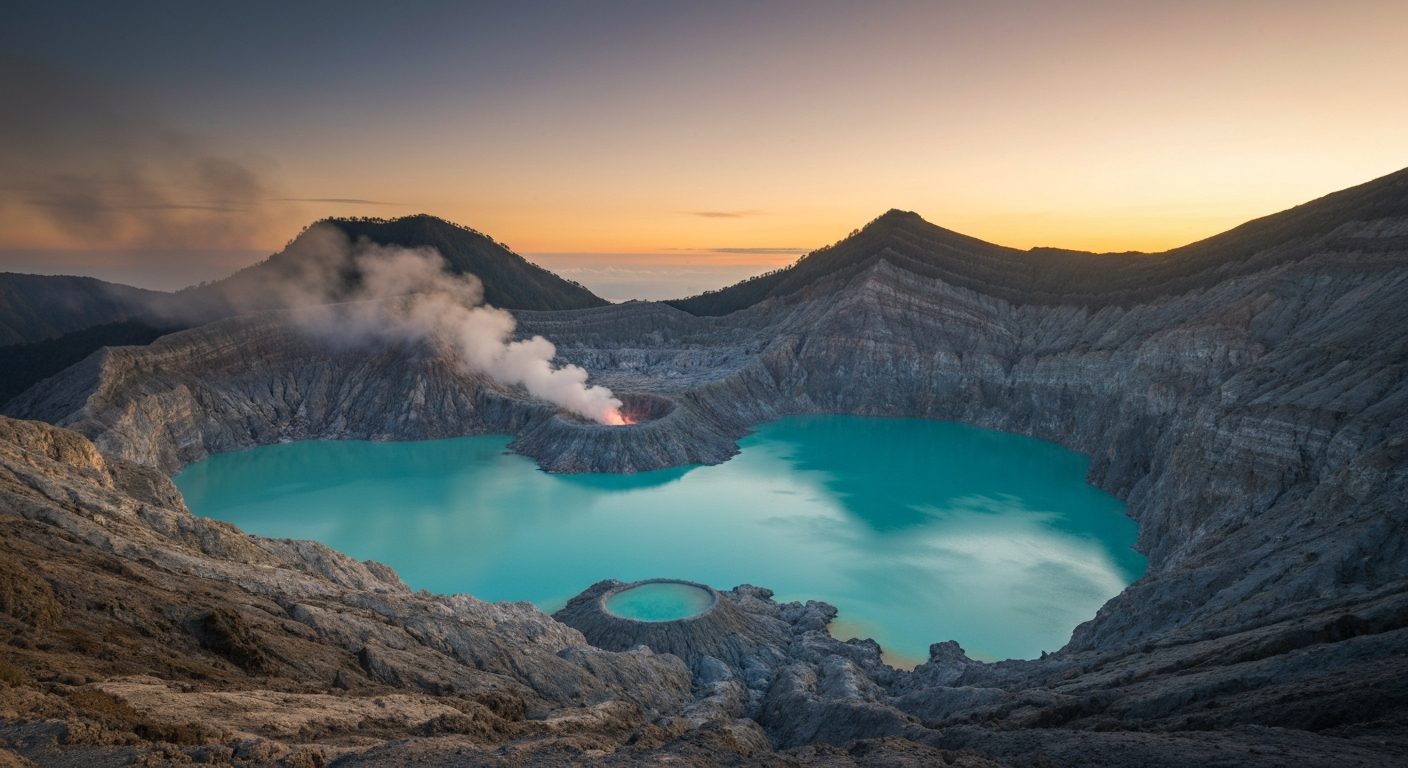
As you near the crater rim, the first subtle signs of sulfur become apparent. Then, as you crest the rim, the vast, turquoise expanse of Kawah Ijen’s crater lake stretches out before you, often shrouded in wisps of mist. The true spectacle, however, lies below.
The descent into the crater is a careful, deliberate process. The path is narrow, steep, and rocky. Here, the sulfur fumes are strongest, and your gas mask becomes your best friend. But through the swirling mist and the dim light, you’ll begin to see them: the mesmerizing, electric-blue flames flickering from the sulfur vents. It’s an otherworldly sight, a natural phenomenon that feels utterly unique.
After witnessing the blue fire, the climb back up to the crater rim is challenging but rewarding. As dawn approaches, the sky transforms, painting the landscape in soft hues. From the rim, you’ll watch the sun rise, casting light upon the vibrant turquoise lake and the dramatic volcanic landscape – a profound contrast to the midnight ascent. This is the moment when the physical effort truly pays off, offering a panorama that few places on Earth can match.
Do I need special equipment for the Ijen hike?
You will definitely need sturdy hiking shoes with good grip, a warm jacket (layered clothing is best), a headlamp (provided on our tours), and a gas mask (also provided). We also recommend a small backpack for water, snacks, and personal items. Gloves and a beanie can be very helpful against the cold.
What is the best time of year to hike Ijen?
The dry season, typically from April to October, is generally considered the best time for hiking Ijen. During these months, the weather is more stable, with less rain, clearer skies, and better visibility. However, temperatures can be colder, especially at night. The wet season (November to March) can bring more challenging trail conditions due to rain, but the blue fire is still active.
Can children hike Kawah Ijen?
While there’s no strict age limit, the ijen crater hike difficulty fitness level and the presence of sulfur gas mean it’s generally not recommended for very young children or those with respiratory sensitivities. Older children (e.g., teenagers) who are physically active and understand the safety instructions for gas masks can usually manage the trek. Parental discretion and a realistic assessment of the child’s stamina and tolerance for the conditions are crucial.
How long does the Ijen Blue Fire tour usually take?
A typical Ijen Blue Fire tour, from leaving your accommodation near Banyuwangi to returning, takes approximately 6-8 hours. This includes the drive to Paltuding, the hike up to the crater rim, the optional descent to see the blue fire, watching the sunrise, and the return journey. If combined with travel from Bali or Surabaya, the total trip duration will be longer, often 2-3 days.
Is it safe to go to Ijen Crater?
Yes, with proper guidance and adherence to safety protocols, hiking Kawah Ijen is safe. The main risks are related to the physical exertion, altitude, and sulfur gas. Our private guided tours prioritize safety, providing experienced local guides who manage the pace, ensure correct use of gas masks, and monitor weather conditions and gas levels. Following your guide’s instructions is paramount for a safe and enjoyable experience.
The journey to Ijen Crater is an adventure that asks for a bit of effort but rewards you with an experience unlike any other. Knowing the ijen crater hike difficulty fitness level beforehand means you can prepare adequately and approach the mountain with confidence. Our team at Bali Premium Trip is here to ensure your journey is smooth, safe, and truly memorable.
Ready to set off on this extraordinary journey? Plan your trip to Kawah Ijen with us today, or connect with our reservations team on WhatsApp for personalized advice.