The best Ijen blue fire tour operator in Banyuwangi is defined by an unwavering commitment to safety, the credentials of its guides, and transparent pricing. It’s about more than just getting to the crater; it’s about a secure, insightful experience led by local, licensed professionals. Here at Ijen Blue Fire Tours, operated by Bali Premium Trip, we believe that understanding the trek’s true demands is the first step toward a successful and memorable journey to witness Kawah Ijen’s electric-blue flames.
I’ve made the ascent to Kawah Ijen’s rim over a hundred times, timing departures so our guests stand before the blue fire long before the first light can diminish its spectacle. My role as Kawah Ijen Trek & Volcano Editor for Ijen Blue Fire Tours means detailing the realities of this unique climb: its difficulty, the altitude, the necessity of gas masks, the pervasive sulfur, and the raw physical demands on your lungs and legs. Our aim is to prepare you thoroughly, ensuring your focus remains on the extraordinary natural phenomenon unfolding before you.
What Makes the Best Ijen Blue Fire Tour Operator in Banyuwangi?
Choosing the right partner for your Kawah Ijen adventure dictates not just the quality of your experience, but your safety. A trusted operator prioritizes specific elements that distinguish a well-run, responsible tour from a cheap, potentially risky one. We’ve seen the difference firsthand.
Licensed, Vetted Local Guides
This is non-negotiable. The landscape around Kawah Ijen is dynamic, especially during a pre-dawn climb. A truly trusted Ijen blue fire tour operator Banyuwangi works exclusively with guides who are not only local to the region but also officially licensed and rigorously vetted. These individuals possess intimate knowledge of the trails, the volcano’s moods, and crucial first-aid protocols. They understand the nuances of the terrain in low light, can identify potential hazards, and are trained to manage emergencies. Without a licensed guide, you risk not just losing your way but encountering serious safety issues on challenging terrain.
Safety First: Gas Masks and Protocols
The descent into the sulfur basin is a primary draw for the blue fire, but it’s also the most hazardous part of the trek due to highly concentrated sulfur dioxide gas. A reputable best Ijen blue fire trekking tour company provides high-quality, properly fitting gas masks (not just simple dust masks) and ensures every trekker understands how to use them effectively. More than that, they implement strict safety protocols: maintaining a safe distance from active vents, advising on wind direction, and knowing when to retreat if gas levels become too high. Your guide should carry a first-aid kit and be proficient in its use.
Transparent Pricing and Inclusions
A reliable operator offers clear, upfront pricing. There should be no hidden fees or surprises once you’ve committed. The price should explicitly detail what’s included: transportation (typically 4×4 jeep to the trailhead), professional licensed guide fees, entrance permits to Kawah Ijen National Park, necessary safety equipment (gas mask), and often a light snack or bottled water. When comparing Ijen blue flame tour reviews and prices, look for clarity. An operator that hides costs or makes promises too good to be true often cuts corners elsewhere.
Small Group Sizes for a Better Experience
While larger groups might offer lower per-person costs, they often detract from the experience and can compromise safety. A smaller group allows the guide to maintain closer supervision over each trekker, respond more quickly to individual needs, and provide a more personalized, informative journey. It also ensures a less crowded experience at key viewpoints, particularly around the blue fire.
Genuine Reviews and Reputation
In the age of online information, Ijen blue fire tours reviews are a vital indicator of an operator’s standing. Look for consistent positive feedback regarding safety, guide professionalism, communication, and overall trek experience. Be wary of operators with a scarcity of reviews or those with generic, overly enthusiastic praise that lacks specific detail. A company with a long-standing positive reputation, built on real client experiences, is always a safer bet.
English-Speaking Guides: Clarity in the Dark
Especially during a night hike, clear communication is paramount. A proficient Ijen blue fire hike with English speaking guide ensures you understand instructions, safety briefings, and the rich geological and cultural context of Kawah Ijen. Misunderstandings due to language barriers can lead to confusion or even dangerous situations on the trail. Your guide should be able to explain the phenomena you’re witnessing and answer your questions comprehensively.
—
Ready to Plan Your Kawah Ijen Blue Fire Trek? Contact Us
—
The Kawah Ijen Trek: What You Need to Know (from a Veteran Guide)
I’ve walked the path to Kawah Ijen’s blue fire countless times. Every season, every mood of the mountain, I’ve seen it. I write these trek guides not to sugarcoat, but to prepare you. This isn’t just a walk; it’s an experience that demands respect and readiness.
The Midnight Start: Logistics and Pace
Your journey begins around midnight, often with a 4×4 jeep transfer from Banyuwangi to Paltuding, the official trailhead. The drive itself, cutting through coffee plantations and cool mountain air, sets the tone. At Paltuding (elevation approximately 1,850 meters or 6,070 feet), after a quick briefing and equipment check, your licensed guide will lead you into the darkness. The initial pace is steady, designed to conserve energy. The path begins wide and relatively gentle, but it soon steepens. The air is cold, sometimes dropping to 5-10°C (41-50°F) at the rim, so layers are essential.
The Ascent: Altitude and Terrain
The main ascent from Paltuding to the crater rim covers about 3 kilometers (approximately 1.9 miles) and climbs roughly 950 meters (3,117 feet) in elevation. The trail is mostly compacted earth and volcanic sand, becoming rocky and uneven in sections. There are moments of sustained steep climbing where you’ll feel your calves burn and your breath quicken. This is where the altitude, peaking at Kawah Ijen’s rim at approximately 2,386 meters (7,828 feet), starts to make its presence felt. Pacing is crucial. Your guide will ensure regular, short breaks, allowing you to catch your breath and hydrate. The only light will be your headlamp and the stars overhead.
Into the Sulfur Basin: Gas Masks and Demands
Reaching the crater rim, you’ll feel the chill and often smell the sulfur. This is where the descent into the basin begins – a steep, rocky, and often slippery path dropping around 800 meters (about half a mile) down to the blue fire viewing area. This part is physically demanding and requires careful footing. Your gas mask becomes indispensable here. The sulfur gas concentrations can be intense, especially when the wind shifts. You must wear your mask correctly, keep it sealed, and follow your guide’s instructions implicitly. The descent is challenging; the ascent back to the rim is equally so, requiring significant leg strength and stamina.
The Blue Fire Moment: Timing is Everything
The timing of your departure is orchestrated to bring you to the blue fire between approximately 2 AM and 4 AM, before the first hint of dawn light begins to wash it away. Witnessing the electric-blue flames, a result of sulfuric gases igniting upon contact with air, is an otherworldly experience. It’s a natural phenomenon born of extreme conditions, visible only in the pitch black. The glow is mesmerizing, an intense blue against the darkness. This brief window is why the night hike is necessary.
The Crater Lake at Dawn: A Turquoise Revelation
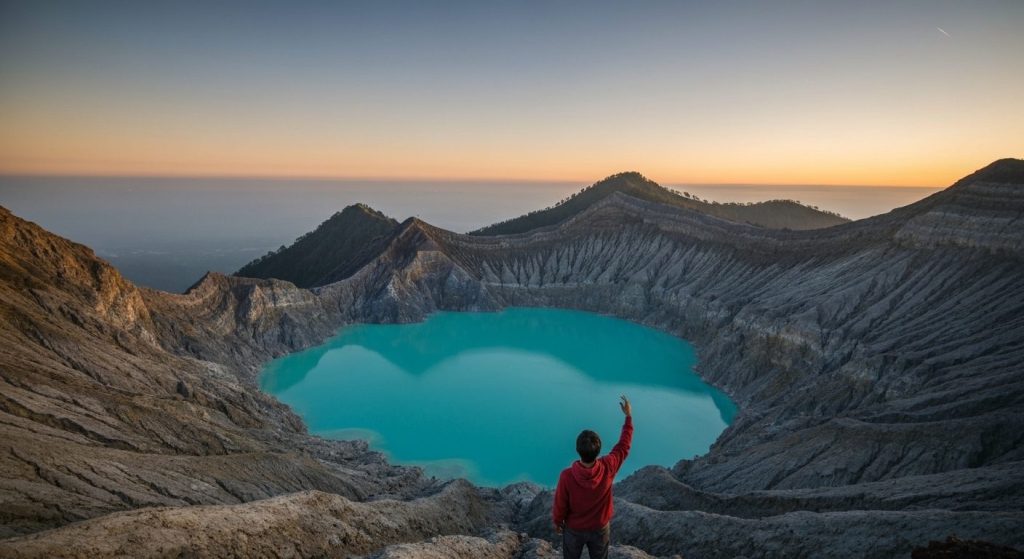
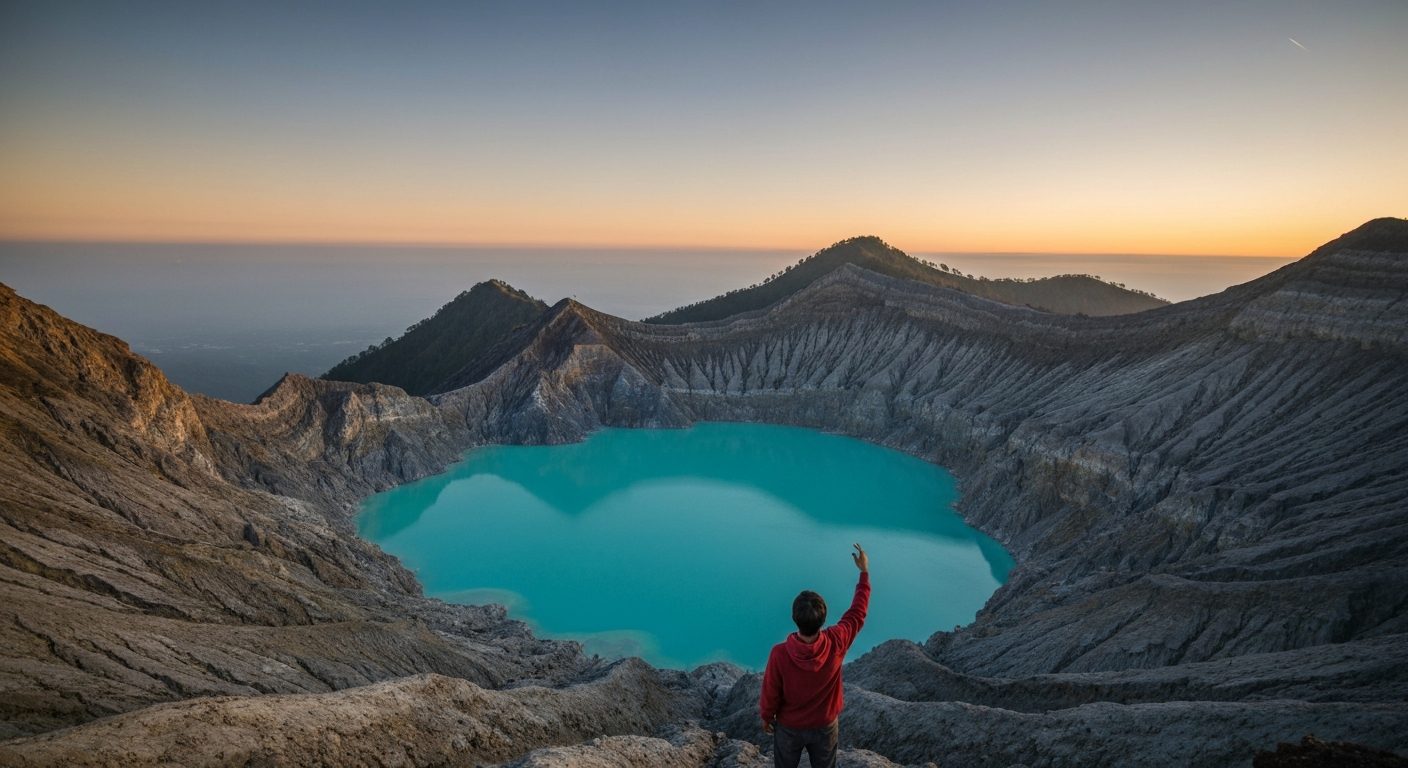
As the sky lightens, the blue fire fades, and the world transforms. The vast, turquoise acid lake of Kawah Ijen, approximately 200 meters (656 feet) deep, reveals itself. It is the largest highly acidic crater lake in the world, an astonishing sight of vibrant color against the stark volcanic landscape. The sulfuric fumes rising from the lake create an ethereal mist. This is also when the sulfur miners, often already at work, become visible, carrying baskets of solidified sulfur up the steep paths – a stark reminder of the human element in this extreme environment.
The Descent: Managing Fatigue
The trek back down from the rim to Paltuding, though downhill, is not without its challenges. Fatigue can set in, making footing less secure. The trail, now fully illuminated by daylight, reveals its unevenness. Take your time, lean on your trekking poles if you have them, and listen to your guide. The descent typically takes less time than the ascent, but requires sustained focus.
Why Choose Bali Premium Trip for Your Kawah Ijen Blue Fire Hike?
At Ijen Blue Fire Tours, operated directly by Bali Premium Trip, we understand the profound importance of a well-executed trek. Since our establishment in 2015, we’ve focused on delivering experiences that are not just memorable but fundamentally safe and transparent. We’ve built our reputation on clarity and trust.
Our Commitment to Safety and Vetted Guides
Your safety is our priority. We exclusively partner with best Ijen guides local certified by the regional tourism authorities. These are individuals who have proven their expertise, hold the necessary licenses, and are committed to safe trekking practices. We ensure they are equipped with appropriate first-aid knowledge and the ability to manage any situation that arises on the mountain. From providing high-grade gas masks to maintaining small group sizes, every decision we make is filtered through a safety-first lens.
Direct Booking, Clear Communication
When you choose Ijen Blue Fire Tours, you book directly with the Bali Premium Trip reservations team. There are no third-party markups, no hidden charges. Our pricing is published, transparent, and comprehensive. We provide clear communication from your initial inquiry through to the completion of your trek, ensuring you have all the information you need to prepare confidently. Our team is accessible via WhatsApp for quick, helpful planning assistance.
What We Arrange (and What We Don’t Own)
It’s important to be clear about how we operate. We are not the owners of Kawah Ijen National Park permits or concessions. Instead, we expertly arrange all necessary third-party services for your trek. This includes securing park entrance permits on your behalf, coordinating the 4×4 jeep transfers to the trailhead, and, crucially, arranging for your licensed local guide. By collaborating with local partners, we ensure you benefit from authentic local expertise while maintaining our high standards of safety and service.
Ijen Blue Fire Tours Reviews: Our Track Record
Our long history, since 2015, is reflected in the feedback from countless trekkers. Our Ijen blue fire tours reviews consistently highlight the professionalism of our guides, the seamless logistics, and the feeling of security our guests experience. We take pride in the genuine appreciation expressed for our attention to detail and our commitment to an honest, no-hype approach to this challenging yet rewarding adventure.
- Bali Premium Trip: The Trusted Choice
-
- Licensed Local Guides: Always. Vetted for experience, safety, and English proficiency.
- Safety Equipment: High-quality, properly fitted gas masks provided and explained.
- Group Size: Optimized for safety and personal attention, typically smaller.
- Pricing: Transparent, all-inclusive rates published directly.
- Booking: Direct with Bali Premium Trip reservations team.
- Support: Pre-trek briefings, WhatsApp support for planning.
- Experience: Established operator since 2015, extensive local knowledge.
Comparing Ijen Blue Fire Trekking Tour Companies
When researching the best Ijen blue fire tour operator in Banyuwangi, you’ll encounter a range of options. Understanding the differences is critical. Here’s a comparison to help you discern quality and safety from budget compromises:
| Feature | Budget Operator (Often Cheaper) | Trusted Operator (Bali Premium Trip Standard) |
|---|---|---|
| Guide Credentials | Often unlicensed “local helpers” or informal guides. Limited safety training. | Fully licensed and certified local guides. Extensive safety training, first-aid knowledge. |
| Safety Equipment | Basic dust masks, sometimes ill-fitting or low quality. May not provide headlamps. | High-grade, professionally maintained gas masks. Reliable headlamps. |
| Group Size | Large, unwieldy groups with minimal individual attention. | Small, manageable groups ensuring personal supervision and better experience. |
| Communication | Limited English proficiency from guides. Poor pre-trip information. | Proficient English-speaking guides. Clear, detailed pre-trip briefings. |
| Transparency | Hidden fees for permits, equipment, or transport. Unclear inclusions. | All-inclusive pricing with no hidden costs. Detailed breakdown of inclusions. |
| Support & Logistics | Disorganized transfers, late pickups, unreliable vehicles. | Punctual, comfortable transfers in well-maintained vehicles. Seamless coordination. |
Ijen Tour Operator Licensed Guide Requirements: What to Expect
The requirements for a guide at Kawah Ijen are not merely bureaucratic; they are fundamental to your safety and the quality of your experience. When seeking the best Ijen tour operator in Banyuwangi, always verify their adherence to these standards.
Kawah Ijen Guide Credentials Licensed: Beyond Just a Local
A local guide is valuable for their inherent knowledge of the area, but Kawah Ijen guide credentials licensed means they have undergone formal training and certification. This typically includes:
- Official Tour Guide License: Issued by the local tourism board or a recognized national body, signifying legal authorization to operate.
- First Aid Certification: Essential for managing common trek-related injuries or altitude sickness.
- Environmental Awareness Training: Understanding how to minimize impact on the fragile volcanic ecosystem.
- Volcano Safety Protocols: Specific training on Ijen’s unique hazards, gas exposure, and emergency procedures.
- Regular Refresher Courses: The best guides stay updated with new safety practices and park regulations.
These credentials ensure your guide is not just a companion but a qualified professional capable of leading you safely through a potentially hazardous environment.
Language Skills: Ijen Blue Fire Hike with English Speaking Guide
For international travelers, an Ijen blue fire hike with English speaking guide is a necessity. It’s not just about pleasant conversation; it’s about clear, unambiguous communication during critical moments. Your guide needs to:
- Explain Safety Briefings: Ensure you understand how to use your gas mask, what to do in case of gas exposure, and proper trail etiquette.
- Provide Clear Instructions: Direct you on challenging sections of the trail, especially during the descent into the crater.
- Share Cultural and Geological Insights: Enhance your understanding of the sulfur mining process, the volcano’s history, and local traditions.
- Respond to Your Questions and Concerns: Address any discomfort, fatigue, or curiosity you may have throughout the trek.
Effective communication builds trust and confidence, which are vital when navigating a challenging night trek.
Ijen Blue Flame Tour Reviews and Prices: Setting Expectations
Understanding the landscape of Ijen blue flame tour reviews and prices means distinguishing genuine value from superficial offers.
Understanding Ijen Blue Fire Tours Reviews: What to Look For
When sifting through Ijen blue fire tours reviews, look for specifics. Generic praise like “amazing trip!” is less informative than comments detailing:
- Guide’s Name and Specific Actions: “Our guide was incredibly patient, helped my friend when they struggled, and pointed out constellations.”
- Safety Measures: “The gas masks provided were excellent, and the guide constantly checked on us in the sulfur area.”
- Logistics: “The pickup was on time, and the jeep was comfortable. Everything ran smoothly.”
- Transparency: “No hidden costs, everything was exactly as described on their website.”
- Problem Resolution: Even good tours can have minor issues. How the operator handled them (e.g., “Our jeep had a flat tire, but they quickly arranged a replacement without much delay”) speaks volumes about their professionalism.
Beware of reviews that seem overly polished, repetitive, or lack personal detail. Authenticity is key.
Ijen Blue Fire Tour Prices: What You’re Paying For
The cost of an Ijen blue fire tour can vary, but generally, you should expect to pay for the following:
- Transportation: Return transfers from your accommodation in Banyuwangi to Paltuding (the trailhead), typically by 4×4 jeep.
- National Park Entrance Fees: Mandatory fees to access Kawah Ijen.
- Licensed Guide Services: The professional fee for your expert local guide.
- Safety Equipment: High-quality gas masks and often headlamps.
- Water and Snacks: Essential for hydration and energy during the trek.
An indicative price range for a private 2-day/1-night Kawah Ijen blue fire tour from Banyuwangi, including transportation, guide, entry fees, and safety gear, is typically around US$80-150 per person (last verified June 2026). This range can fluctuate based on specific inclusions, group size, and season. A significantly lower price might indicate compromises on guide quality, safety equipment, or vehicle maintenance. Remember, a cheap tour can be expensive in terms of safety and experience.
Planning Your Ijen Adventure with a Trusted Ijen Blue Fire Tour Operator Banyuwangi
Choosing a trusted Ijen blue fire tour operator Banyuwangi means selecting a partner dedicated to your safety and satisfaction. Bali Premium Trip, operating Ijen Blue Fire Tours, takes pride in our meticulous planning, our network of vetted local guides, and our unwavering commitment to honest, direct service. We don’t just arrange tours; we prepare you for an extraordinary natural encounter, ensuring you are well-informed, well-equipped, and well-guided every step of the way.
Your journey to Kawah Ijen is a profound experience. It involves physical exertion, extreme natural beauty, and unique environmental conditions. Don’t leave it to chance. Partner with an operator that prioritizes clarity, safety, and genuine local expertise.
—
Connect with Us to Arrange Your Kawah Ijen Trek. We’re Available via WhatsApp!
—
Frequently Asked Questions About Kawah Ijen Blue Fire Tours
Is the Kawah Ijen trek difficult?
Yes, the Kawah Ijen trek is considered moderately challenging, particularly due to the midnight start, the steep ascent to the crater rim (around 950 meters elevation gain over 3 km), and the demanding descent into the sulfur basin (approximately 800 meters down a rocky path). The altitude of nearly 2,800 meters and the presence of sulfur gas also add to the difficulty. Good physical fitness and proper preparation are essential.
What gear do I need for Ijen?
You will need sturdy hiking shoes, warm layered clothing (temperatures can drop to 5-10°C at the rim), a headlamp with extra batteries, and a small backpack with water and snacks. High-quality gas masks are crucial for safety in the sulfur basin and should be provided by your tour operator. Trekking poles are highly recommended for stability on the steep and uneven terrain.
How long is the Ijen trek?
The trek from the Paltuding trailhead to the crater rim typically takes 1.5 to 2 hours. The descent into the sulfur basin to view the blue fire adds another 30-45 minutes. The entire round trip, including time at the blue fire and viewing the crater lake at dawn, usually takes 5 to 7 hours, depending on your pace and the group size.
Can I go to Ijen without a guide?
While possible, it is strongly advised against, especially for the night trek to see the blue fire. The trail is unlit, the terrain is challenging, and the sulfur gas is extremely dangerous without expert guidance and proper equipment. Kawah Ijen’s environment is unpredictable, and licensed local guides are crucial for safety, navigation, and understanding the volcano’s conditions. Many park regulations also require a guide for certain sections.
What is the best time to visit Ijen?
The dry season, from April to October, is generally considered the best time to visit Kawah Ijen. During these months, the weather is typically clearer, reducing the risk of rain and improving visibility for both the blue fire and the crater lake. However, Kawah Ijen can be visited year-round. Be aware that during peak holiday seasons, the trails can be busier. Always check the current volcanic activity status before planning your trip.