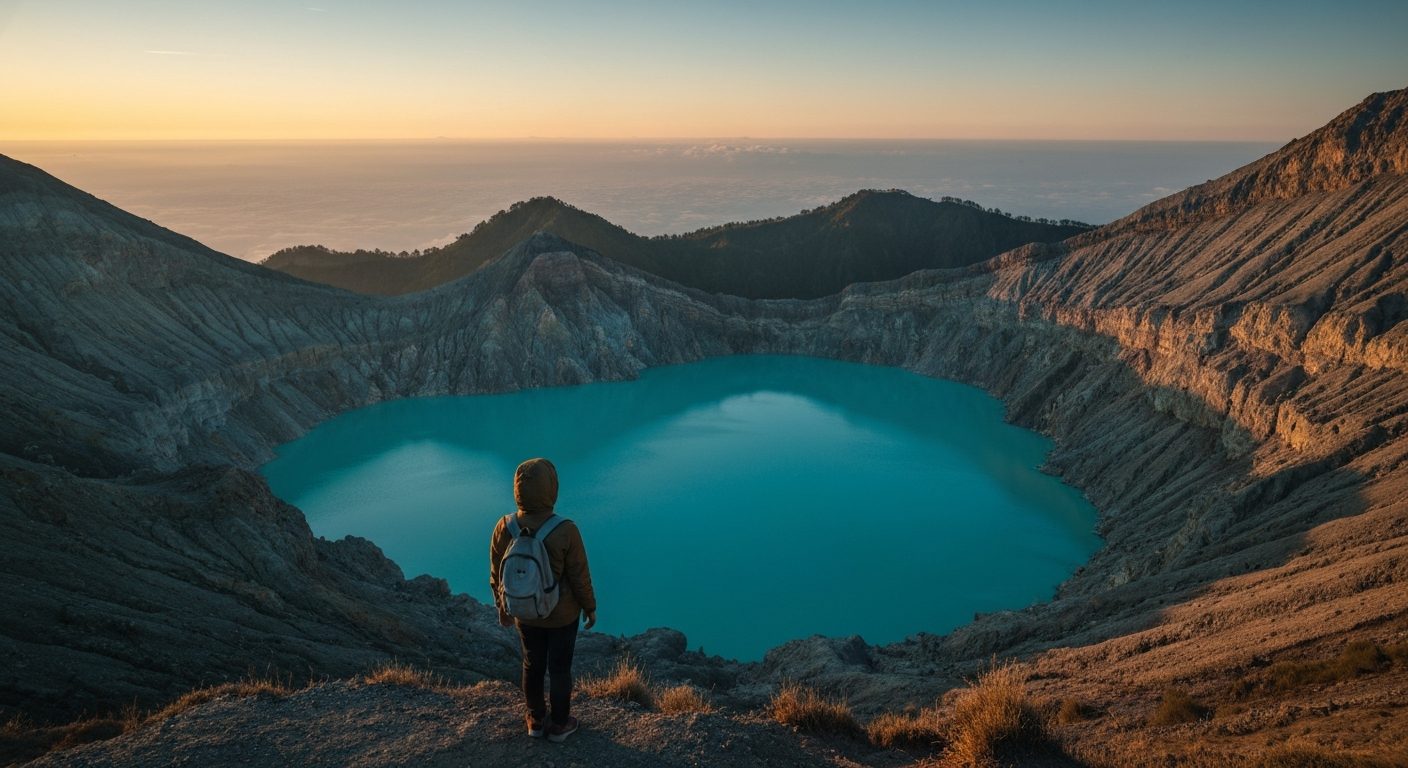
Many travelers ask: is the Ijen hike safe? The straightforward answer is yes, for most people with good health and proper preparation, but it requires careful understanding of its unique challenges and inherent risks. Kawah Ijen offers an extraordinary experience, but it’s a demanding environment. This guide will walk you through the realities of the trek, the specific health and age considerations, and how to prepare responsibly.
*Disclaimer: This information is for general safety guidance only and does not constitute medical advice. Anyone with pre-existing health conditions, particularly respiratory issues like asthma, heart conditions, or concerns about pregnancy, should consult their doctor before planning a trip to Kawah Ijen.*
Understanding the Real Hazards of the Kawah Ijen Hike
To determine if the Ijen hike is safe for you, we need to be clear about the two primary hazards: the physically demanding trek itself and the presence of toxic volcanic gases. I spend my days mapping routes and conditions, and I can tell you these are the two non-negotiables to understand.
The Physically Demanding Midnight Trek
The Kawah Ijen trek isn’t a casual stroll. It’s a midnight ascent covering approximately 3 kilometers (about 1.9 miles) one way from the Paltuding trailhead to the crater rim. The path is unpaved, often steep, rocky, and can be slippery, especially in the dark or after rain.
- Altitude: The summit of Mount Ijen stands at 2,799 meters (9,183 feet) above sea level. While not extreme, this altitude can affect individuals not accustomed to it, potentially causing mild altitude sickness symptoms like headaches or dizziness.
- Steep Incline: The first 1.5 kilometers are particularly steep, gaining significant elevation quickly. This requires good cardiovascular fitness and strong legs.
- Darkness: Most visitors start their trek around 1:00 AM to witness the blue fire before dawn. Hiking in pitch black requires focus, a reliable headlamp, and careful footing.
- Duration: The ascent typically takes 1.5 to 2 hours, followed by a descent into the crater (if conditions allow) for about 30-45 minutes. The return trek takes a similar amount of time. The entire experience, from trailhead to return, can easily span 6-8 hours.
Toxic Volcanic Gases: Is Kawah Ijen Safe from Toxic Gases?
This is the most significant and unique risk at Kawah Ijen. The blue fire phenomenon is a result of ignited sulfuric gas, and the entire crater floor is an active sulfur mine.
- Sulfur Dioxide (SO2) and Hydrogen Sulfide (H2S): These are the primary gases released. SO2 is a pungent, irritating gas that can cause respiratory distress, eye irritation, and throat irritation. H2S has a rotten-egg smell and can be toxic in higher concentrations.
- Visibility: Gas plumes can drastically reduce visibility, making navigation difficult and increasing the risk of falls or getting disoriented.
- Respiratory Impact: Inhaling these gases without protection can lead to severe coughing, shortness of breath, burning sensations in the lungs, and can be particularly dangerous for individuals with pre-existing respiratory or heart conditions.
The good news? With proper precautions, these risks are manageable. This is where a professional guide and a high-quality gas mask become non-negotiable.
Ijen Blue Fire Gas Mask Safety: Your Primary Protection
A proper Ijen blue fire gas mask is not optional; it is absolutely essential for anyone descending into the crater to see the blue fire, and highly recommended even at the crater rim if the wind shifts.
- Type of Mask: Not all masks are created equal. A simple surgical mask or even an N95 mask will NOT protect you from volcanic gases. You need a full-face or half-face respirator with appropriate chemical cartridges, specifically designed for acid gases (like SO2).
- Our Standard: When you book with Bali Premium Trip, our vetted local guides provide high-quality, professional-grade gas masks with fresh filters. They will ensure it fits correctly and instruct you on its use. We prioritize your safety over cutting corners.
- Usage: You’ll need to wear the mask diligently, especially when gas plumes are present or when you are close to the blue fire area. Pay attention to your guide’s instructions regarding when to put it on and take it off.
Who Can Hike Ijen? Health Conditions, Age & Medical Requirements
This is where individual assessment is crucial. While the park does not currently enforce a strict Ijen medical certificate health requirement, it’s vital to be honest about your fitness and health.
Can I Hike Ijen with Asthma or Other Respiratory Conditions?
This is one of the most frequently asked questions. Can I hike Ijen with asthma or other Ijen crater respiratory asthma heart conditions?
- Asthma & Chronic Respiratory Issues: If you have asthma, COPD, bronchitis, or any other chronic respiratory condition, the Ijen trek presents significant risks. Volcanic gases are powerful irritants and can trigger severe attacks, even with a gas mask. The physical exertion at altitude will also stress your respiratory system. We strongly advise against descending into the crater if you have such conditions. Even staying at the rim can be risky if the wind changes.
- Recommendation: A frank discussion with your doctor is imperative. They can assess your specific condition and advise if the altitude, physical exertion, and gas exposure are safe for you. If you choose to proceed, ensure your guide is fully aware of your condition, carry all necessary medications (inhalers, etc.), and be prepared to turn back at any point.
Ijen Crater Heart Conditions Safety
Similar to respiratory conditions, heart conditions are a major concern.
- Heart Disease: Individuals with heart conditions, high blood pressure, or a history of heart attack or stroke should exercise extreme caution. The strenuous climb, combined with the altitude, places significant stress on the cardiovascular system.
- Recommendation: Again, a thorough medical consultation with your cardiologist is non-negotiable. Your doctor can provide specific guidance based on your heart health. We recommend against the hike if your doctor advises against strenuous activity or high altitudes.
Ijen Crater Pregnant Women Safety Restrictions
For expectant mothers, the answer is clear.
- Pregnancy: We strongly advise against the Ijen crater pregnant women safety restrictions for pregnant women. The physical demands, altitude, and especially the unknown effects of volcanic gas exposure on fetal development make this hike too risky. There are no studies on the effects of SO2/H2S on pregnant women and their babies. Your health and the baby’s health are paramount.
Ijen Hike Age Restriction: Children, Kids Safety & Older Hikers
There isn’t a hard-and-fast official Ijen hike age restriction from the park authorities, but common sense and safety dictate guidelines.
- Ijen Crater Children Kids Safety Age Limit: We generally do not recommend the Ijen hike for children under 12 years old.
- Physical Demands: Young children often lack the stamina and coordination for a steep, rocky, dark, 3km midnight trek at altitude.
- Gas Mask Fit: Ensuring a proper, airtight fit for a gas mask on a child’s smaller face can be challenging, compromising their protection from gases.
- Understanding Risk: Children may not fully grasp the dangers or consistently follow safety instructions regarding the gas mask or staying away from dangerous areas.
- Emotional Resilience: The cold, dark, and potentially intimidating environment (sulfur miners, gas fumes) can be frightening for younger kids.
- Older Hikers: For older individuals, age itself is less a barrier than overall fitness and health.
- Fitness Level: If you are an active older adult with good cardiovascular health and no limiting conditions, the hike might be manageable. Many fit seniors successfully complete the trek.
- Pre-existing Conditions: Any heart, respiratory, or mobility issues become more critical with age. A doctor’s consultation is highly recommended.
- Pace Yourself: Taking it slow, listening to your body, and communicating with your guide are essential.
How Difficult is the Ijen Hike? Real Talk About Fitness
Let’s address how difficult is the Ijen hike. It’s not a technical climb requiring special skills, but it is physically demanding.
- Moderate to Good Fitness: You should be able to comfortably walk 6-8 kilometers (4-5 miles) on uneven terrain, including uphill sections, without significant difficulty. Regular exercise, especially walking or stair climbing, in the weeks leading up to your trip will be very beneficial.
- No Prior Mountain Experience Needed: You don’t need to be an experienced mountaineer, but a basic level of endurance is necessary.
- Pace: Your guide will set a sensible pace, but you’ll need to maintain it. There are points to rest, but the goal is to reach the blue fire before sunrise.
- Support: Our guides are there to assist, offer encouragement, and carry emergency supplies. However, they are not there to carry you up the mountain.
Permit Requirements: Ijen Medical Certificate Health Requirement 2026 & Beyond
As of my last verification in June 2026, the Kawah Ijen National Park does not require visitors to present an Ijen medical certificate health requirement 2026 or any health certificate for entry. Entrance permits are primarily for park access fees.
- Current Requirements: You will need to purchase an entrance permit (which our Bali Premium Trip reservations team handles as part of your package). This permit grants you access to the park.
- Future Changes: Park regulations can change. While there’s no current medical certificate requirement, it’s always wise to check the most up-to-date park rules closer to your travel date. Our team stays current on all regulations and will inform you of any changes.
- Personal Responsibility: The absence of a mandatory medical certificate does not negate your personal responsibility to assess your own health and fitness. It’s an honor system based on your safety.
- Ijen Hike Difficulty Rating (General)
- Moderate to Strenuous. Not technically difficult, but physically demanding due to steep incline, uneven terrain, darkness, and altitude.
- Trek Distance (One Way)
- Approximately 3 kilometers (1.9 miles) from Paltuding trailhead to crater rim.
- Elevation Gain
- Roughly 400-500 meters (1,300-1,600 feet) from trailhead to rim.
- Summit Altitude
- 2,799 meters (9,183 feet).
- Typical Ascent Time
- 1.5 – 2 hours to crater rim, plus 30-45 minutes descent to blue fire (if conditions allow).
- Essential Gear
- Headlamp, warm layers, sturdy hiking shoes, and a proper gas mask (provided by Bali Premium Trip).
Making an Informed Decision for Your Ijen Adventure
The allure of Kawah Ijen’s electric-blue fire and turquoise crater lake is powerful, and for good reason. It’s a truly memorable experience. However, an memorable experience should also be a safe one. Our goal at Ijen Blue Fire Tours, operated by Bali Premium Trip, is to ensure you have all the facts to make an informed decision.
We provide private night treks arranged and operated by Bali Premium Trip and its vetted, licensed East Java guides. This means you get a local expert who knows the mountain, understands the conditions, and prioritizes your safety. They’ll ensure you have the right gas mask, help you navigate the dark, and monitor your well-being throughout the trek.
A private guided trip with us means you avoid the uncertainties of unvetted local operators or relying on inadequate equipment. We handle all logistics, from the Ketapang ferry crossing from Bali, transfers from Banyuwangi and Bondowoso trailheads, or the long haul from Surabaya. We track ferry timings, permit rules, entrance fees, and even the first-Friday crater cleanup closures, so your itinerary is built on current ground truth, not guesswork.
Considering a trip? Our 2-day/1-night Kawah Ijen private tours from Banyuwangi or Surabaya typically range from US$250-500 per person, last verified June 2026, depending on accommodation choices and specific inclusions. Longer multi-day combinations with Bromo and Tumpak Sewu are also available.
Plan your trip with us today via our contact form or WhatsApp for personalized itinerary planning.
*Reminder: This information is for general safety guidance only and does not constitute medical advice. Anyone with pre-existing health conditions, particularly respiratory issues like asthma, heart conditions, or concerns about pregnancy, should consult their doctor before planning a trip to Kawah Ijen.*
Frequently Asked Questions About Ijen Hike Safety
Is Kawah Ijen safe to visit right now?
Kawah Ijen is generally safe to visit when its volcanic activity is stable and within normal parameters, and when you adhere to safety protocols. Park authorities monitor the volcano closely. Always check current conditions and heed local guide advice. The main risks are toxic gases and the physically demanding trek, both manageable with proper preparation and guidance.
What are the symptoms of sulfur gas exposure at Ijen?
Symptoms of sulfur gas exposure can include eye irritation (burning, tearing), coughing, throat irritation, shortness of breath, wheezing, and a burning sensation in the chest. If you experience any of these, immediately put on your gas mask (or ensure it’s properly sealed), move away from the gas plume, and alert your guide.
Do I need to be very fit to hike Ijen?
You don’t need to be an Olympic athlete, but a moderate to good level of fitness is required. The 3-kilometer trek is steep and on uneven terrain, taking 1.5 to 2 hours to ascend to the crater rim. If you can comfortably walk several kilometers and climb stairs, you should be able to manage it. Regular exercise before your trip will greatly help.
Are there any specific days Kawah Ijen is closed?
Yes, Kawah Ijen crater is typically closed to visitors on the first Friday of every month for a mandatory crater cleanup and maintenance. This is a fixed closure. Additionally, the park may close temporarily due to unsafe weather conditions, elevated volcanic activity, or other unforeseen circumstances. Our team at Ijen Blue Fire Tours always tracks these closures to ensure your itinerary is accurate.
Can I hike Ijen without a guide?
While it’s technically possible to enter the park without a guide during daylight hours (though discouraged due to safety and navigation challenges), descending into the crater for the blue fire at night is strongly recommended with a licensed guide. A guide provides essential safety equipment (like proper gas masks), navigates the dark and gas plumes, and can assist in emergencies, making the experience significantly safer and more rewarding.
Ready to explore Kawah Ijen safely? Plan your trip with Bali Premium Trip. Contact us via our website or WhatsApp for expert guidance.