An Ijen blue fire photography tour offers a singular chance to capture one of Earth’s most striking nocturnal phenomena. This isn’t just a hike; it’s a precisely timed expedition designed to put you and your camera in the optimal position to photograph Kawah Ijen’s electric-blue flames and its otherworldly turquoise crater lake at dawn. As the Kawah Ijen Trek & Volcano Editor at Ijen Blue Fire Tours, I’ve guided countless photographers through this volcanic landscape, learning exactly what it takes to get the shot, from managing gas masks to finding the best long-exposure settings.
Kawah Ijen, part of the Ijen volcanic complex in East Java, is an active stratovolcano. Its draw lies in two distinct visual marvels: the blue fire, a result of sulfuric gas combustion, and the largest acidic crater lake in the world, with a pH of 0.5. For photographers, these elements combine into a challenging, yet deeply rewarding, canvas of light and shadow. Our tours are carefully paced to maximize your time for capturing these moments, ensuring you have the support of experienced local guides who understand the unique demands of a photography-focused trek.
Why Kawah Ijen Demands a Photography Tour
The allure of Kawah Ijen for photographers goes beyond mere sightseeing. It’s about light, or the strategic absence of it, and then its dramatic return.
- The Electric Blue Fire: This rare phenomenon occurs when sulfuric gases, emerging from cracks in the volcano at high pressure and temperatures up to 360°C, ignite upon contact with air. The flames can reach up to five meters high. Capturing this requires specific low-light techniques and careful timing, typically between 2 AM and 4 AM, before the first hint of daylight washes out the blue.
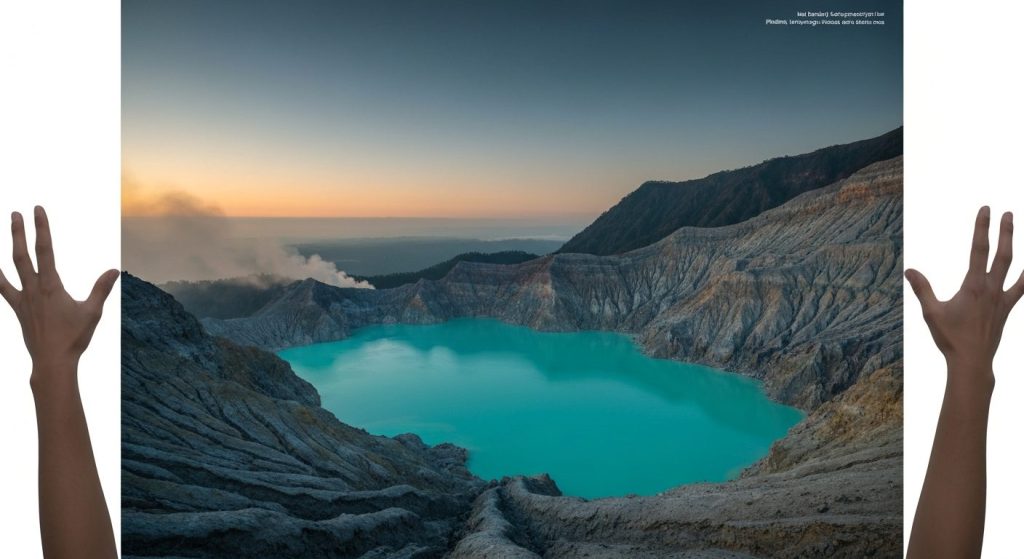
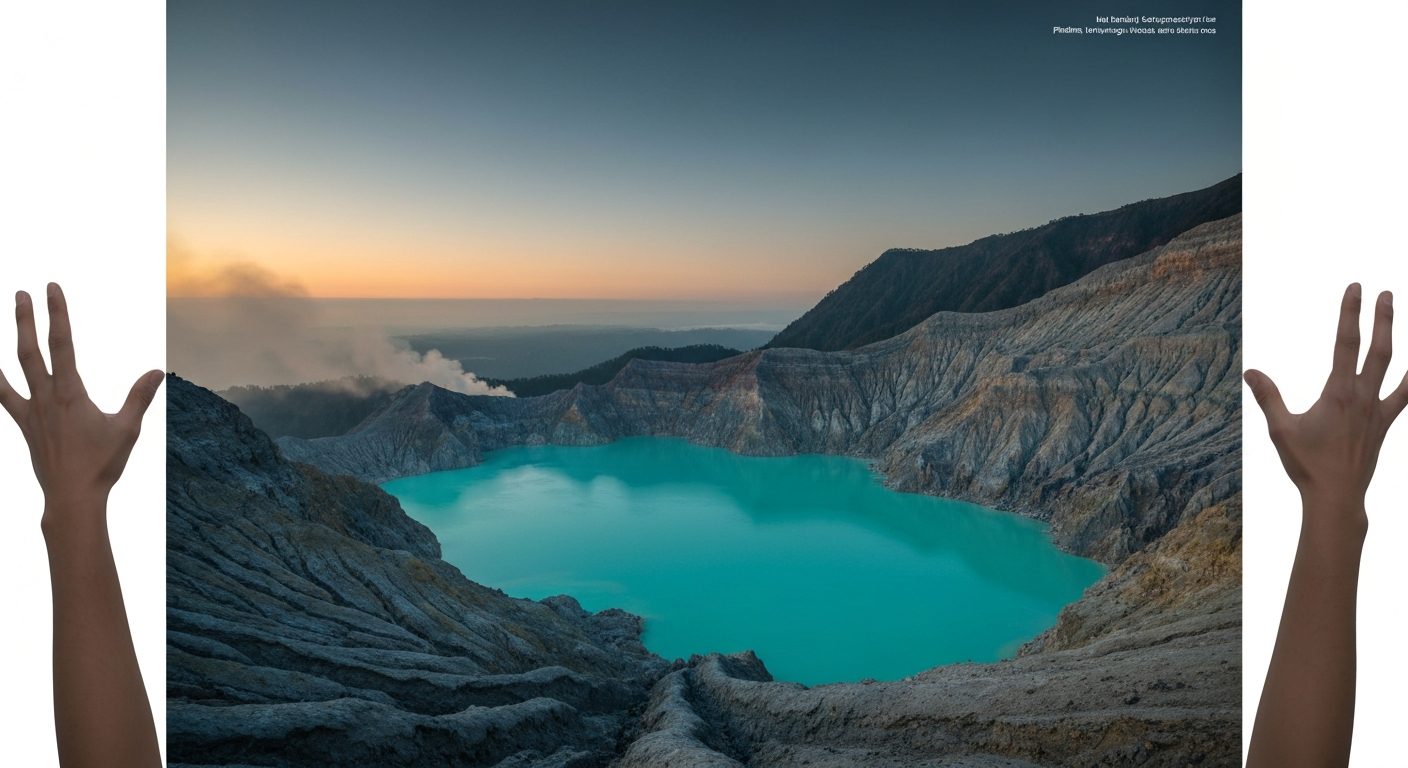
- The Turquoise Crater Lake: As dawn breaks, the toxic, sulfur-laden lake reveals its intense, vibrant turquoise hue. The play of light on its surface, often shrouded in mist, provides a stark contrast to the dark volcanic rock and the rising sun. This creates a powerful backdrop for ijen crater turquoise lake photo spots, offering endless compositions.
- Volcanic Sunrise: Standing on the crater rim as the sun crests the horizon is an experience that transcends photography. The light paints the entire caldera, revealing the vastness of the landscape and the intricate patterns of sulfur deposits. This kawah ijen sunrise photography tour provides a unique opportunity to document a raw, untamed corner of our planet.
Our ijen crater photography tour blue fire and sunrise is structured to give you the best chance to capture both these distinct periods of light and atmosphere.
The Kawah Ijen Blue Fire Photography Tour: What to Expect
The journey to Kawah Ijen’s blue fire and sunrise is a nocturnal adventure, beginning in the quiet hours before midnight. Every step is timed to align with the ephemeral display of the blue flames and the first light of dawn.
Midnight Departure: The Journey Begins
Your ijen blue fire & sunrise tour typically starts with a pick-up from your accommodation in Banyuwangi around midnight. This early start is crucial. It allows us to reach the Paltuding Ranger Post – the starting point of the trek – by the time the park officially opens at 2 AM. The drive from Banyuwangi to Paltuding takes approximately 1.5 hours, traversing winding roads through coffee plantations.
Upon arrival at Paltuding, our licensed local guide, arranged by Bali Premium Trip, will conduct a final briefing. This covers the trek route, safety protocols, and a check of your essential gear. You’ll be provided with a gas mask and a headlamp if you don’t have your own. A quick coffee or tea is often available here, a small comfort before the climb.
The Ascent to the Crater Rim
The trek from Paltuding to the Kawah Ijen crater rim is approximately 3 kilometers long. The path is well-defined but consistently uphill, gaining significant elevation over a relatively short distance. The crater rim stands at an altitude of approximately 2,386 meters (7,828 feet).
This initial ascent usually takes between 1.5 to 2 hours, depending on your fitness and the group’s pace. For photographers, we often maintain a steady, measured pace. This ensures you conserve energy for the more challenging descent into the sulfur basin and for carrying your camera gear. The path consists of loose volcanic sand and small rocks in places, so sturdy hiking shoes with good ankle support are essential. The air temperature at this altitude, especially in the early hours, can drop to between 5-10°C, making warm layers indispensable.
As you ascend, the night sky often offers a clear view of the stars, especially during the dry season (May to October). This provides an early opportunity for astrophotography if conditions are right, though our primary focus remains the blue fire. Your guide will ensure you maintain a comfortable pace, offering breaks as needed, understanding that carrying camera equipment adds to the physical demand.
Descending into the Sulfur Basin: Capturing the Blue Fire
Reaching the crater rim marks the halfway point. From here, the true challenge and the photographic reward begin: the descent into the sulfur basin to witness the blue fire. This path is roughly 800 meters long, steep, rocky, and can be slippery due to loose scree and the presence of sulfur dust. It typically takes 30 to 45 minutes to descend.
Mandatory Gas Masks: As you descend, the air quality deteriorates rapidly. Toxic sulfuric gas becomes prevalent. Wearing a gas mask is not optional; it is mandatory for your safety. Our guides will ensure you wear it correctly and understand its use. The gas can cause irritation to the eyes, throat, and lungs, even in small concentrations. Listen to your ijen volcano photography tour guide at all times. They are trained to monitor wind direction and gas concentrations, advising when it is safe to proceed or when to retreat.
The Blue Fire Phenomenon: Once in the basin, you’ll be close to the active vents where the blue fire dances. The best time to photograph this incredible spectacle is usually between 2 AM and 4 AM, before the first light of dawn begins to dilute its intensity. The flames, a vibrant electric blue, are truly mesmerizing. They can appear as small flickers or rise several meters high, depending on the volcanic activity.
Camera Settings for Blue Fire Long Exposure: Capturing the blue fire effectively requires long-exposure photography. Here’s a general guide:
- Tripod: Absolutely essential. Without it, sharp long-exposure shots are impossible. Ensure it’s sturdy and can withstand uneven ground.
- ISO: Start with ISO 800-1600. Adjust based on the light intensity and desired noise levels.
- Aperture: f/2.8 to f/4. A wider aperture (smaller f-number) lets in more light, crucial in the dark.
- Shutter Speed: This is where the magic happens. Experiment with 10-30 seconds. Longer exposures will capture more of the flame trails and ambient light, but too long can overexpose the brightest parts.
- Manual Focus: Autofocus will struggle in such low light. Set your lens to manual focus and focus to infinity.
- Remote Shutter Release: Highly recommended to avoid camera shake during long exposures.
- White Balance: Experiment with Kelvin settings (around 3000-4000K) or use a custom white balance to accurately render the blue.
Tripod Logistics and Safety: sulfur basin with a tripod requires care. The terrain is uneven, and visibility is often limited by darkness and gas. Your guide will assist in finding safe spots away from direct gas vents and clear of the sulfur miners’ paths. These miners, who carry loads of 70-90 kilograms of sulfur, work through the night. Respect their hazardous work and give them ample space. They earn approximately IDR 1,500 per kilogram for their efforts.
We encourage respectful interaction with the miners. With permission, they can make compelling subjects, adding a human element to your ijen crater photography tour blue fire and sunrise. Just remember that this is their workplace, not a tourist attraction.
Sunrise at the Crater Rim: Light on the Turquoise Lake
After capturing the blue fire, the next phase of your kawah ijen sunrise rim hike begins. You will ascend back to the crater rim. This climb, though shorter than the initial trek from Paltuding, is steep and demanding, especially after the physical exertion of the blue fire shoot. It typically takes another 30-45 minutes.
As you reach the rim, the sky will begin to lighten, signaling the approach of dawn. This is a moment of profound transformation. The world shifts from the deep blues of the night to the warm hues of sunrise.
The World’s Largest Acidic Lake: From the crater rim, you gain an expansive view of the Kawah Ijen crater lake. This lake is not merely large; it is the largest acidic lake on Earth, a potent body of water with a pH of 0.5. Its vibrant turquoise color is due to the high concentration of sulfur and other dissolved minerals. As the sun rises, the light slowly illuminates the lake, revealing its intense color and the patterns of sulfur deposits along its shores.
Best Viewpoints for Ijen Crater Turquoise Lake Photo Spots: Your guide knows the prime locations for capturing the lake and the sunrise. These typically involve elevated positions along the kawah ijen crater rim viewpoint sunrise that offer unobstructed panoramic views. The light changes rapidly during sunrise, so be prepared to adjust your camera settings quickly.
- Wide-Angle Shots: Capture the entire panorama of the lake, the surrounding caldera, and the distant mountains.
- Telephoto Details: Zoom in on the sulfur deposits, the texture of the volcanic rock, or the remaining wisps of gas rising from the lake’s surface.
- Silhouettes: Use the rising sun to create dramatic silhouettes of fellow trekkers or the unique landscape features.
This is where the true ijen crater lake photography tour experience comes alive. The shifting light and atmospheric conditions offer countless photographic opportunities, from grand landscapes to intimate details of the volcanic environment.
The Return Journey
Once you’ve captured the full spectrum of light from sunrise, it’s time to begin the final descent back to Paltuding. This downhill walk, though easier on the lungs, can be hard on the knees. It usually takes about 1 to 1.5 hours. The path that was dark and mysterious on the ascent now reveals itself in daylight, offering new perspectives on the surrounding forests and the distant peaks.
Upon returning to Paltuding, a simple breakfast (often included in the tour package) awaits. This is a welcome reward after a long and physically demanding night. After breakfast, our driver will transport you back to your accommodation in Banyuwangi, usually arriving mid-morning, allowing you to rest and review your incredible captures.
Your Photography Gear Checklist for Kawah Ijen
A successful ijen blue fire photography tour hinges on being properly equipped. Beyond your personal trekking essentials, specific camera gear is vital for capturing the challenging light conditions of Kawah Ijen.
- Camera Bodies (x2 recommended): A primary and a backup body are ideal, especially for long-exposure work in a harsh environment.
- Lenses:
- Wide-angle lens (e.g., 14-24mm, 16-35mm f/2.8): Essential for capturing the expansive blue fire flames, the crater lake, and starscapes.
- Mid-range zoom lens (e.g., 24-70mm f/2.8): Versatile for general landscape and detail shots.
- Telephoto lens (e.g., 70-200mm f/2.8): Useful for compressing the landscape, capturing distant details, or isolating interesting features on the lake.
- Sturdy Tripod: Non-negotiable for long exposures. Ensure it’s stable on uneven, rocky terrain. Consider a lightweight carbon fiber model for easier carrying.
- Remote Shutter Release (wired or wireless): Prevents camera shake during long exposures.
- Plenty of Spare Batteries: Cold temperatures drain batteries quickly. Bring at least 3-4 fully charged spares.
- Headlamp (with fresh batteries): Crucial for navigating in the dark. A powerful one is preferred.
- Gas Mask: Provided by your tour operator, but you may bring your own if you have a preferred model. Ensure it’s rated for acid gases (e.g., ABEK-P3 filter).
- Warm Layers: Fleece jacket, waterproof/windproof outer shell, hat, gloves. Temperatures can drop to 5-10°C.
- Sturdy Hiking Boots: With good ankle support and grip for varied, often slippery terrain.
- Rain Gear: A waterproof jacket and trousers, especially during the wet season.
- Lens Cleaning Cloths & Blower: Sulfur dust can settle on lenses.
- Camera Bag with Rain Cover: Protect your gear from dust, moisture, and potential light rain.
- Power Bank: To keep your phone or other small electronics charged.
- Water & Snacks: Stay hydrated and energized throughout the night.
Optimal Timing & Seasons for Kawah Ijen Photography
Timing is paramount for a successful ijen blue fire photography tour. Both the time of day and the time of year significantly impact your experience and photographic results.
Best Time of Year: Dry Season Reigns Supreme
The dry season (May to October) is generally considered the best time for a kawah ijen sunrise photography tour.
- Clearer Skies: Less chance of rain, meaning clearer views of the blue fire, starry nights, and unobstructed sunrises. The air tends to be less humid, which can improve visibility.
- Lower Gas Activity: While gas is always present, it tends to be less concentrated and disperse more easily in the dry season’s more stable atmospheric conditions.
- Safer Trails: The paths are less muddy and slippery, reducing the risk of falls, especially on the descent into the crater.
The wet season (November to April) brings higher chances of rain, which can obscure views, make trails treacherous, and increase gas concentrations. However, occasional clear nights can still occur, and the landscape might appear greener. If traveling during the wet season, be prepared for all weather conditions and understand that visibility may be compromised.
Best Time of Night: The Blue Fire Window
The electric-blue fire is best observed and photographed in complete darkness.
- Blue Fire Window: The prime viewing time is typically between 2 AM and 4 AM. After 4 AM, the sky begins to lighten, and the intensity of the blue fire diminishes rapidly.
- Departure Timing: This is why tours depart so early, ensuring you have ample time to reach the basin and set up your shots during this critical window.
Moon Phases and Star Photography
For those interested in capturing the Milky Way or clear star trails above the volcano, consider planning your ijen blue fire photography tour around a new moon phase. A dark sky, free from moonlight, will allow the stars to shine brightest. Conversely, a full moon can illuminate the landscape beautifully but will make star photography more challenging and reduce the visibility of fainter blue flames. Discuss your specific photographic goals with our team when planning your trip.
Private Photography Tour vs. Group Treks
When considering an ijen blue fire and sunrise tour from banyuwangi cost, you’ll typically find options for both open group treks and private tours. For photographers, especially those with specific creative goals, a private tour offers significant advantages.
- Pacing & Flexibility
- Private Tour: Pacing is entirely customized to your needs. You can stop for as long as you require at specific photo spots, wait for the perfect light, or adjust your descent/ascent based on gas conditions without rushing. Your guide focuses solely on your group’s rhythm.
- Group Trek: You’ll be part of a larger group (often 10-20 people or more) that adheres to a fixed schedule. This means less flexibility for extended photo stops, and you may feel rushed to keep up or impatient waiting for others.
- Guide Attention & Expertise
- Private Tour: A dedicated ijen volcano photography tour guide provides personalized attention. They can offer specific advice on photo spots, assist with gear, help navigate the tricky terrain safely, and monitor gas conditions for your specific needs. They can also assist with communicating with local miners if you wish to photograph them.
- Group Trek: Guides manage a larger group, so individual attention is limited. While they ensure general safety, they cannot cater to individual photographic requirements or provide extensive one-on-one assistance.
- Safety in the Sulfur Basin
- Private Tour: With a dedicated guide, you receive focused safety briefings and real-time advice on gas mask use, wind direction, and safe zones within the basin. This is particularly important when carrying expensive equipment in a hazardous environment.
- Group Trek: General safety instructions are provided, but the guide’s attention is distributed among many individuals, potentially reducing direct oversight in critical areas.
- Logistics & Comfort
- Private Tour: Enjoy private transportation, direct pick-up, and drop-off. Vehicles are often more comfortable, and you have control over departure times (within park operating hours) and any additional stops.
- Group Trek: Often involves shared transportation, potentially multiple pick-up/drop-off points, and adherence to a rigid schedule, which can mean waiting times.
For a specialized ijen blue fire photography tour, where the goal is to capture high-quality images, a private tour provides the control, flexibility, and dedicated support essential for success. It transforms the trek from a general tourist experience into a focused photographic expedition.
Understanding Safety and Environmental Considerations
Kawah Ijen is a powerful natural wonder, and while we strive to make your visit safe and rewarding, it is crucial to understand the inherent risks. Your safety is our highest priority.
- Toxic Sulfuric Gas: The most significant hazard at Kawah Ijen is the presence of toxic sulfuric gas. This gas, which forms the blue fire, is highly irritating and can be dangerous if inhaled in large quantities. Symptoms include eye irritation, coughing, and difficulty breathing. This is why gas masks are mandatory for all visitors descending into the sulfur basin.
- Gas Mask Use: Our licensed local guides will provide you with a gas mask and demonstrate its proper use. It is critical to wear it correctly and keep it on whenever advised, especially down in the crater. Listen intently to your guide’s instructions regarding wind direction and gas concentration. If the wind shifts and blows gas towards you, your guide will instruct you to move to a safer location or ascend.
- Uneven and Slippery Terrain: The trails, particularly the descent into the sulfur basin, are steep, rocky, and can be slippery due to loose volcanic scree or sulfur dust. Sturdy hiking boots with good grip are essential. Watch your footing, especially in the dark.
- Physical Demands: The trek involves a significant uphill climb and a steep descent and ascent from the crater floor. Participants should have a good level of physical fitness and no pre-existing heart or respiratory conditions. If you have any health concerns, please consult your doctor before undertaking this trek.
- Guide’s Instructions are Paramount: Your ijen volcano photography tour guide is an expert in the Kawah Ijen environment. They are trained to assess conditions, navigate the terrain, and prioritize your safety. Follow their instructions without question. They may, at their discretion, decide it is unsafe to descend into the basin due to adverse gas conditions or other hazards.
- Respect for Miners and Environment: The sulfur miners work in incredibly harsh conditions. Always show them respect, give them space, and do not interfere with their work. Avoid littering and stay on marked paths to minimize your environmental impact. Kawah Ijen is a natural wonder; help us keep it pristine.
This information is for guidance, not a substitute for your guide’s on-site instructions. Your guide’s advice in the field is always the final word on safety.
Planning Your Kawah Ijen Blue Fire & Sunrise Tour
Planning your ijen blue fire and sunrise tour from banyuwangi cost requires careful consideration of logistics, pricing, and what’s included. We aim for full transparency, so you understand exactly what to expect.
Indicative Pricing:
The cost for a private ijen blue fire photography tour from Banyuwangi typically ranges from US$120 – US$200 per person for a private tour, based on a group of two travelers. Prices can vary based on group size (larger groups often reduce per-person cost), specific inclusions, and the season. This range was last verified June 2026. Please note that single traveler costs will be higher.
What’s Included (Typical Private Photography Tour):
- Private Transportation: Comfortable, air-conditioned vehicle for pick-up and drop-off from your Banyuwangi accommodation to Paltuding.
- Licensed Local Guide: An experienced ijen volcano photography tour guide who understands the terrain, safety protocols, and can assist photographers.
- Kawah Ijen National Park Entrance Fees: All necessary permits for entry to the park.
- **Gas Masks